

BARC – March 2025
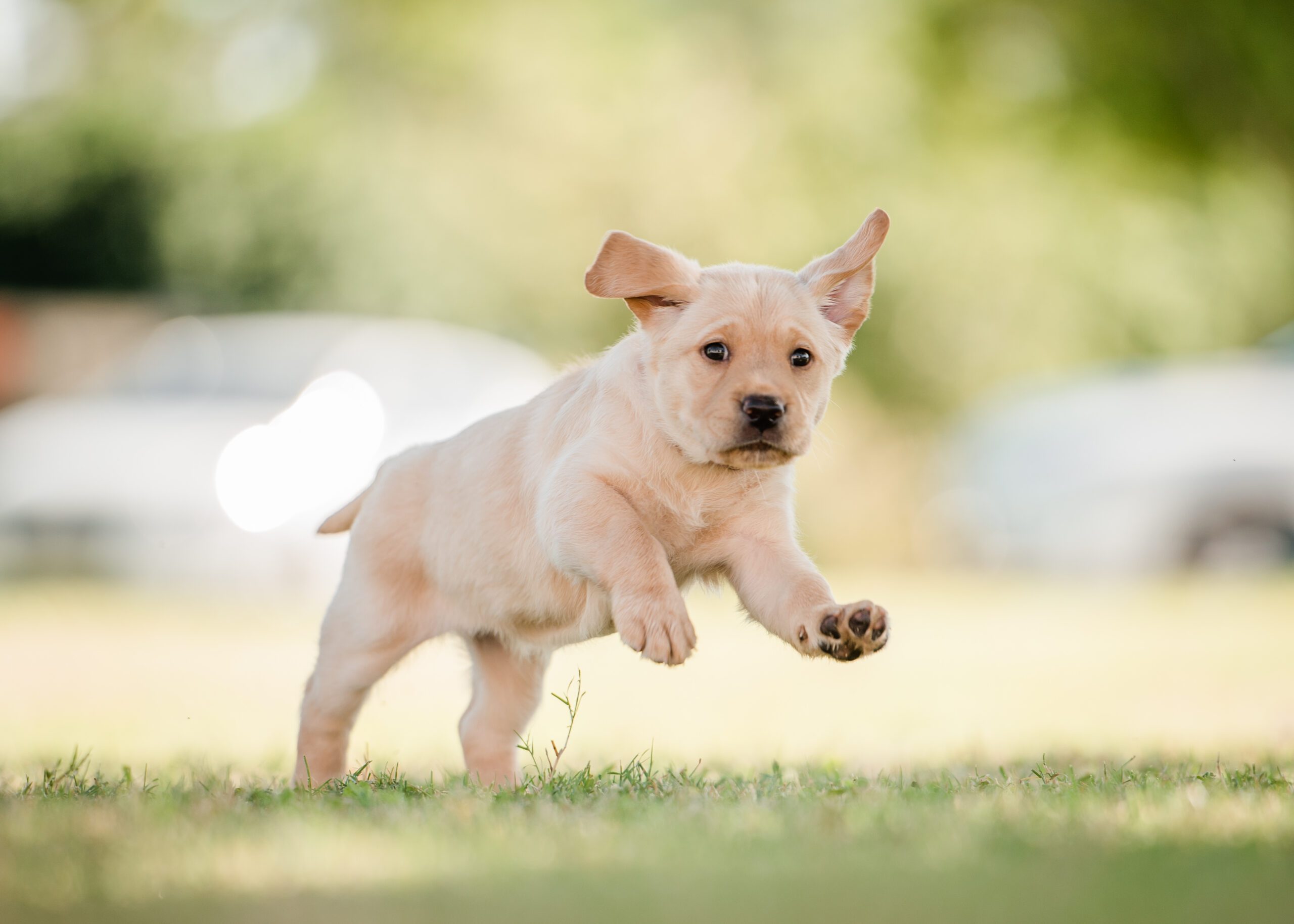
| It’s been a busy start to the year, placing Z, A, B, and C litters with their Puppy Raising families. We welcome all our new Puppy Raising volunteers, whether you are a Puppy Raiser, providing temporary care, or a breeding stockholder. You have joined a large network of people who contribute to the journey of preparing future Guide Dogs for individuals living with low vision or blindness.
The D and E litters are not far off as we write this month’s BARC newsletter, and by the time you receive this newsletter, we’re sure they will be in their Puppy Raising homes. With such a busy start to the year, the March newsletter marks our first edition of 2025. For our new volunteers, you can find the newsletters from November and December on the Puppy Raising PAWtal; see below for access instructions at the bottom of this newsletter. Pups that are due to be born in early March include Margot x Cesecah’s F litter. This is the first litter for Margot, featuring the introduction of Cesecah Narko to our colony as frozen semen from one of our International Guide Dog Federation partnerships. The exchange of breeding dogs across the International Guide Dog Federation ensures we continue to breed wonderful future Guide Dogs with strong and proven genetics. We are also proud to update you about Ariel, who has been chosen to become a breeding dog in Japan to assist in continuing to provide future Guide Dogs to the broader Guide Dog family. Congratulations to her Puppy Raisers and Puppy Development Advisor for producing a dog that represents GDV internationally. |
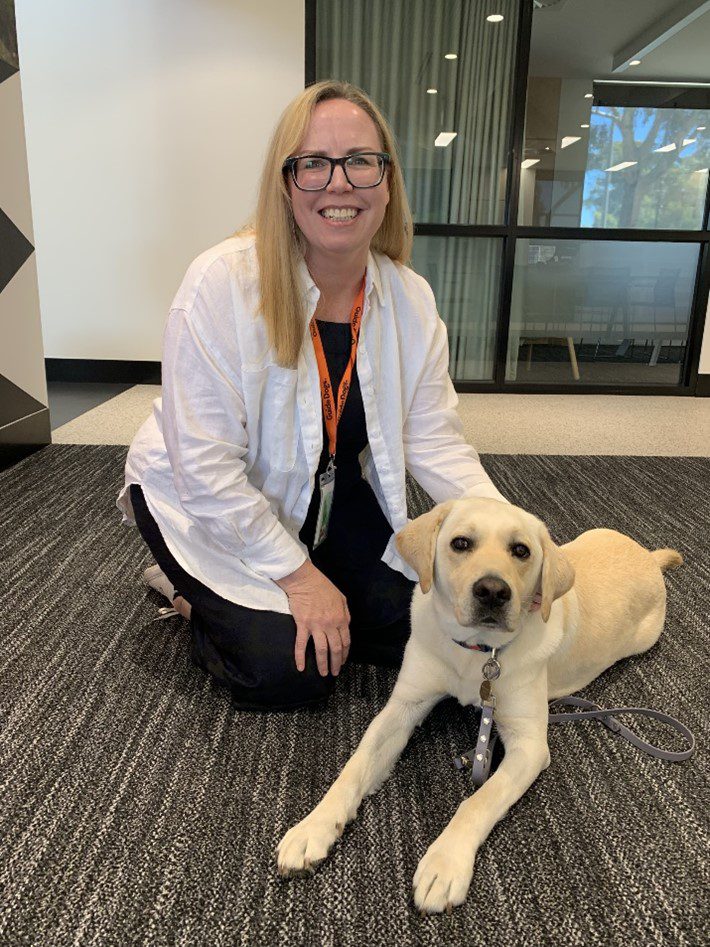
Current NewsIntroduction of our new General Manager of Dog and Vision Services: Liz Pepper Originating from Perth, Liz is an adaptable, experienced, and inclusive operations professional. Her vast experience spans across many sectors including finance, crisis support and suicide prevention, technology, medical devices, and more recently, the evolution of the medical cannabis industry in Victoria. “This opportunity to join Guide Dogs Victoria has allowed me to return to work within a ‘for-purpose’ organisation that improves the lives of people through social connection, health and learning.” shared Liz. With dogs aplenty at the Kew Campus, Liz enjoys the added pleasure of the cozy company of her two beautiful Burmese cats at home. |
 |
|
[Image Description: Liz Pepper kneeling next to a yellow Labrador, smiling at the camera.]
|
Upcoming staff leave dates
Upcoming staff leave dates
Please note that several staff members will be on annual leave between the public holidays to enjoy a well-earned extended break. However, you can reach out to any of the below PDAs for support and guidance over this time. Kathryn Atkinson: 0407 875 645
Zak Garrett: 0418 569 833
Jade Power: 0476 013 302
Chelsea King: 0437 831 480
Vet clinic availability over Easter Please see updated availability for the vet clinic during the Easter period:
All other days, the vet clinic is open as usual. On the days the clinic is closed, please contact VetChat or AVC Kew, as they will be open 24/7. Don’t forget that VetChat is available outside of GDV hours, weekends and public holidays for health guidance. The Puppy Raising manual is also a good place to start if you are wondering how you should approach a health concern. VetChat: 03 4427 9847 |
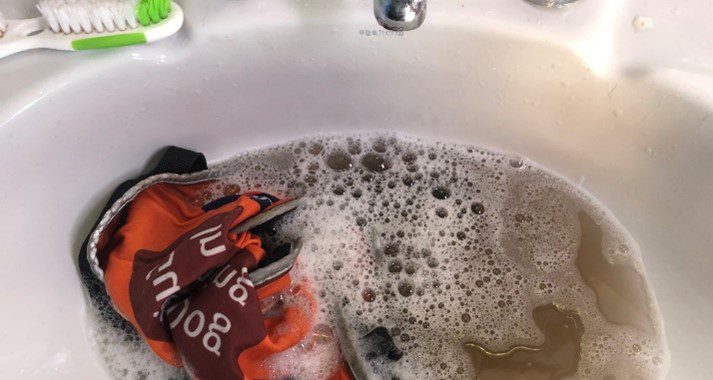
Inside Cute HQMargot x Cesecah Narko F litter: five male pups, two yellow and three black, and two yellow female pups. Taylin x Elvis G litter: due approximately Monday 31 March 2025. Puppy coat washing Puppy coats should be kept clean and presentable. While wearing their coats, pups serve as walking billboards promoting the work of Guide Dogs Victoria. When out with the pup in your care, people will often admire and marvel at what you and the pup are doing, which is why they must always be presentable. Please wash the coats with warm, soapy water by hand. You may use some stain remover for stubborn marks. Avoid soaking in Napisan, as it can degrade the reflective edging. By now, everyone should have received new coats featuring the sponsorship label from our new food sponsor, Black Hawk. If you have not, please contact your PDA as soon as possible to request an update. The coat exchange process allows us to provide new coats to pups over 16 weeks of age (only if we receive a coat back in return). Those under 16 weeks old will receive their coat at their 16-week puppy class. |
 |
|
[Image Description: An orange puppy in training coat being washing in a sink.]
|
Fundraising opportunity for schools: Puppy Pledge 2025We wanted to let you know that registrations for the 2025 Guide Dogs Victoria Puppy Pledge are now open. This is a fundraising initiative that helps raise vital funds to support people with low vision or blindness. We’re encouraging the GDV community to spread the word about this opportunity to any schools or school-aged children they know. When they sign up, schools receive an educational toolkit with activities and resources aligned with the Australian Curriculum. These resources teach students about vision loss while providing a fun, hands-on way for them to get involved in fundraising. There are also some great prizes up for grabs:
We’d love for you to pass this information along to any school-aged children or school contacts you have who might be interested in participating. It’s a great way for kids to learn, engage with the community, and support a cause that means so much to us all. |
Easter is approachingWhich means many of us are planning a long weekend away. If you are, please ensure you have your temp care requests in with a minimum of three weeks’ notice for planned holidays. You can find the link to the temporary request form on the PAWtal. the PAWtal password is located at the bottom of this email. We ask that you don’t take puppies on camping holidays with you, as there are too many dangers for our GDV pups, including snake bites, dog attacks, ingestion issues, escape or injury due to lack of safe fencing. If you would like to take a GDV puppy on holidays with you, it must be within Victoria, to a property with safe fencing, check that no rat bait or snail bait has been laid and you must ensure you speak to your advisor for final approval prior to taking a pup away with you. Easter comes with chocolatey goodness for humans but not dogs. Accidental ingestion of chocolate is common at Easter, young children have free access and often have it in their bedrooms, chocolates are hidden (but easily found by a puppy), or chocolates are stolen off benches. Please ensure Easter egg hunts are well-planned with locations written down and ensure all eggs are collected from these locations prior to allowing a puppy access to this area again. Keep chocolates out of reach of a pup, away from edges of benches. Living in Australia, the best place for chocolate is in the fridge (we may have inadvertently created a chocolate debate there!) which is also a great way to stop nosy pups getting their paws on the poison. Why is chocolate so dangerous for animals? Chocolate toxicosis is a potential problem for all our animal friends, however, is it most common in dogs. This is because chocolate always contains a key ingredient called theobromine which is lethal to dogs. As well as theobromine, chocolate contains caffeine. Caffeine is dangerous to all pets as it can cause both over stimulation of the nervous system and increase an animal’s heart rate and tremors. How much chocolate is toxic? The toxicity level depends on the type of chocolate and the pup’s body size. The darker the chocolate, the higher the stimulant content and risk to the pup. As little as 130mg dark chocolate could be lethal to a 10kg dog. How do I know if the pup or dog in my care is experiencing chocolate toxicosis? Signs vary depending on the dog’s size, the type of chocolate and the amount that has been eaten. Signs could appear anywhere between 30 minutes to four hours after ingested and include:
These can be followed by depression, coma, seizure and death. I think the pup or dog in my care has eaten chocolate, what should I do? If you suspect the GDV pup or dog has ingested chocolate, call your veterinarian immediately. Often it is better to assume that the chocolate could be toxic and start the required treatment to prevent a tragic outcome. Refer to emergency vet clinics in your manual. How can I prevent pups from consuming chocolate over the Easter period? With all the chocolate you can expect to be present in our homes over the Easter holiday, please ensure you keep chocolate well out of reach of the dog in your care. Chocolate wrappers and foil from chocolate eggs and bunnies can also be of serious harm to an animal’s health as they pose a choking hazard. |
![A small white dog wearing bunny ears with coloured Easter eggs in a basket and spread across the floor in front of the dog. Text reads: Chocolate - it's no good for dogs.]](https://vic.guidedogs.com.au/wp-content/uploads/2026/06/506db391-0fb5-401d-8211-b01c8b4626b6.png "A small white dog wearing bunny ears with coloured Easter eggs in a basket and spread across the floor in front of the dog. Text reads: Chocolate - it's no good for dogs.]") |
|
[Image Description: A small white dog wearing bunny ears with coloured Easter eggs in a basket and spread across the floor in front of the dog. Text reads: Chocolate – it’s no good for dogs.] |