

International Guide Dog Day 2026

Not just trained – they’re built to G.U.I.D.E
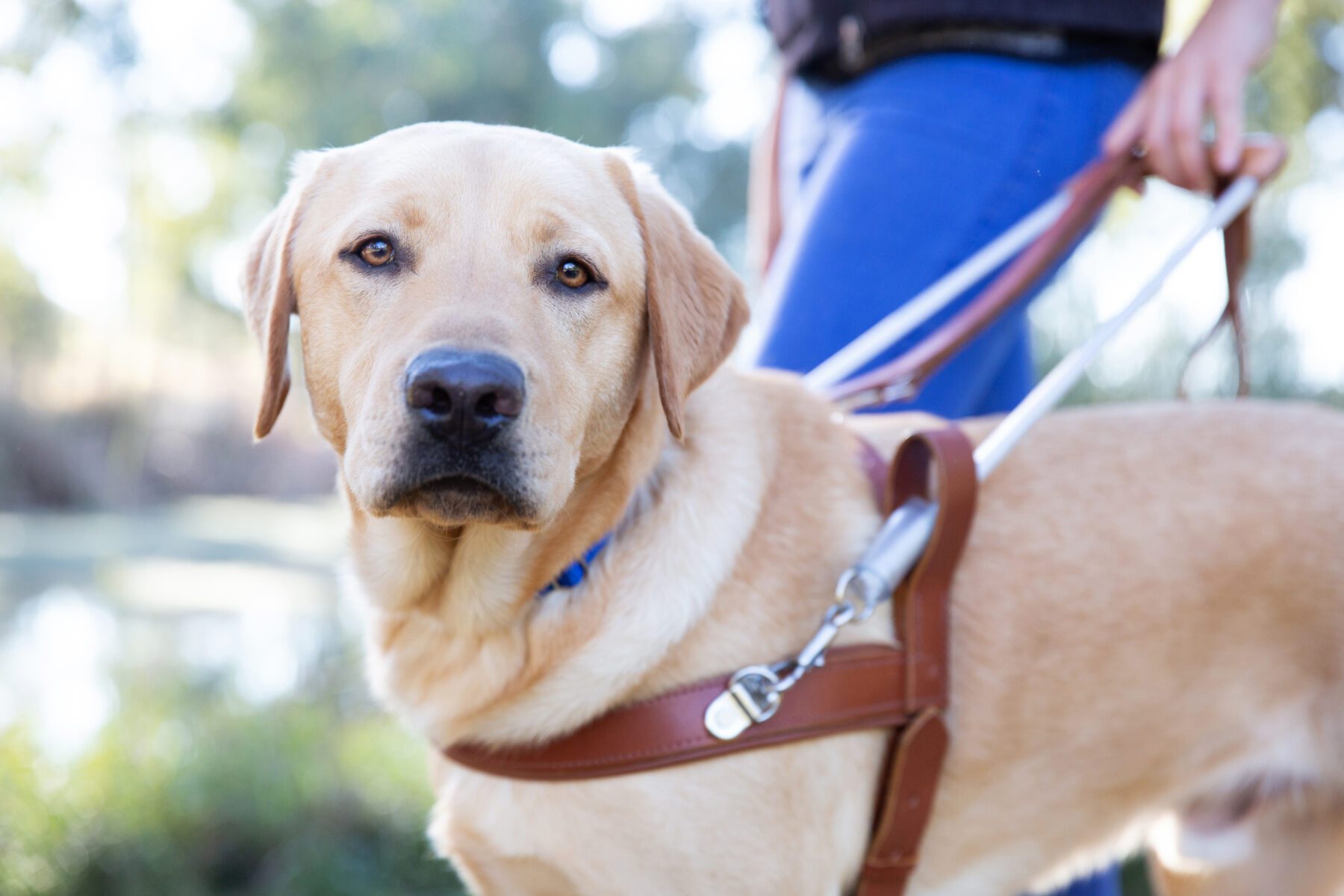
Yellow Labrador in a Guide Dog harness looking at the camera.

What does it mean to guide?

This International Guide Dog Day (Wednesday 29 April), we’re celebrating the extraordinary skill and commitment it takes to graduate as a Guide Dog – through the five key elements that make up a G.U.I.D.E.

From guiding skills and understanding environments, to showcasing initiative, building strong bonds between dog and Handler, and finding enjoyment in the job, follow along as we explore what it truly means to guide.

Watch our five-part video series to discover the people, the process and the precision behind every Guide Dog.
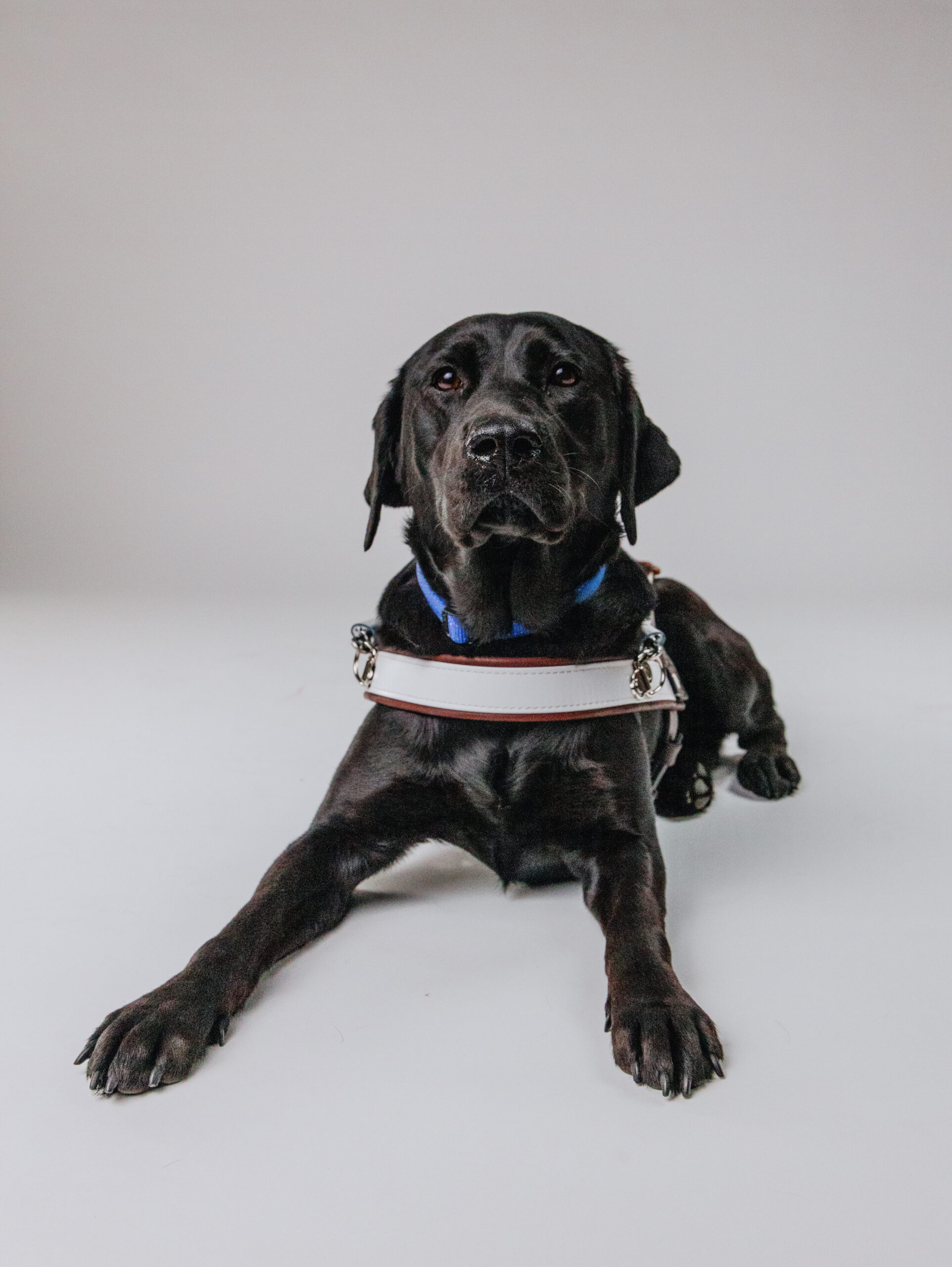
A black Guide Dog in harness laying down.

Check out the series

Calm. Confident. Composed.

From their earliest days, Guide Dogs are exposed to everything from vacuum  cleaners to city noises – so they learn to stay steady in a busy world.


Reading people, places, and pressure.

They’re trained to adjust to their environment. They read body language, not always words. But their willingness to do this comes from their incredible bond with their Handler. Trust means confidence. 

Making smart decisions – even saying, “no.”

Guide Dogs are trained in intelligent disobedience – refusing commands if it keeps their Handler safe.

Walking straight. Avoiding obstacles. Getting from A to B.

Whether it’s a crowded train station or a narrow footpath, Guide Dogs keep their Handler on course with laser focus.

Loving the job and the journey.

Guide Dogs thrive on purpose and partnership. They wag their tails, nuzzle their  Handlers, and truly love what they do.

Help raise a future Guide Dog.

As a Puppy Raiser, you’ll welcome a future Guide Dog into your home for their first vital year, nurturing them with love, patience and new experiences until they’re ready to return to us to start their formal training.

Share this page

Let your friends and family know!

Share this page

Ready to continue?

Seems like you have filled this form earlier. Let’s pick up where you left off.